
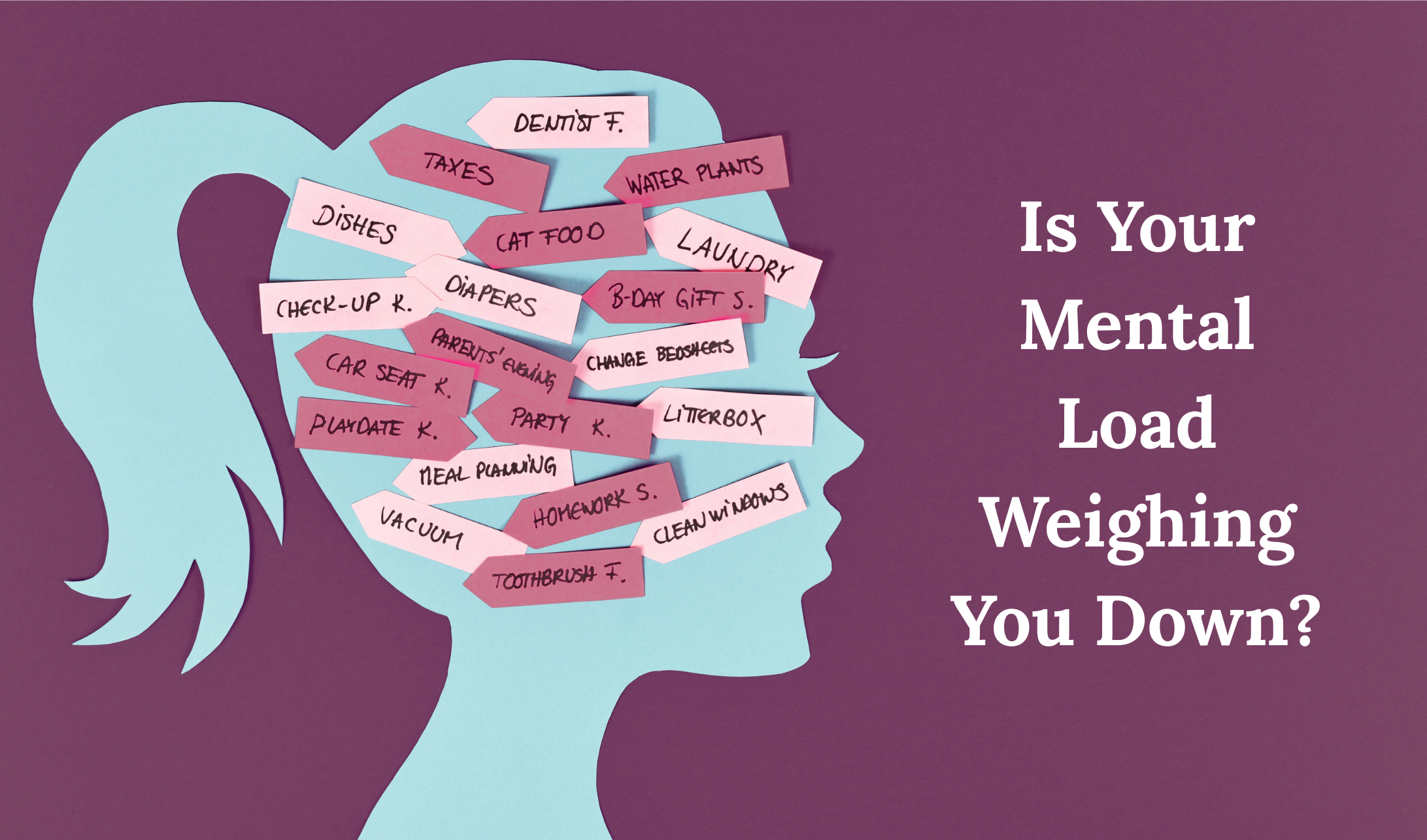
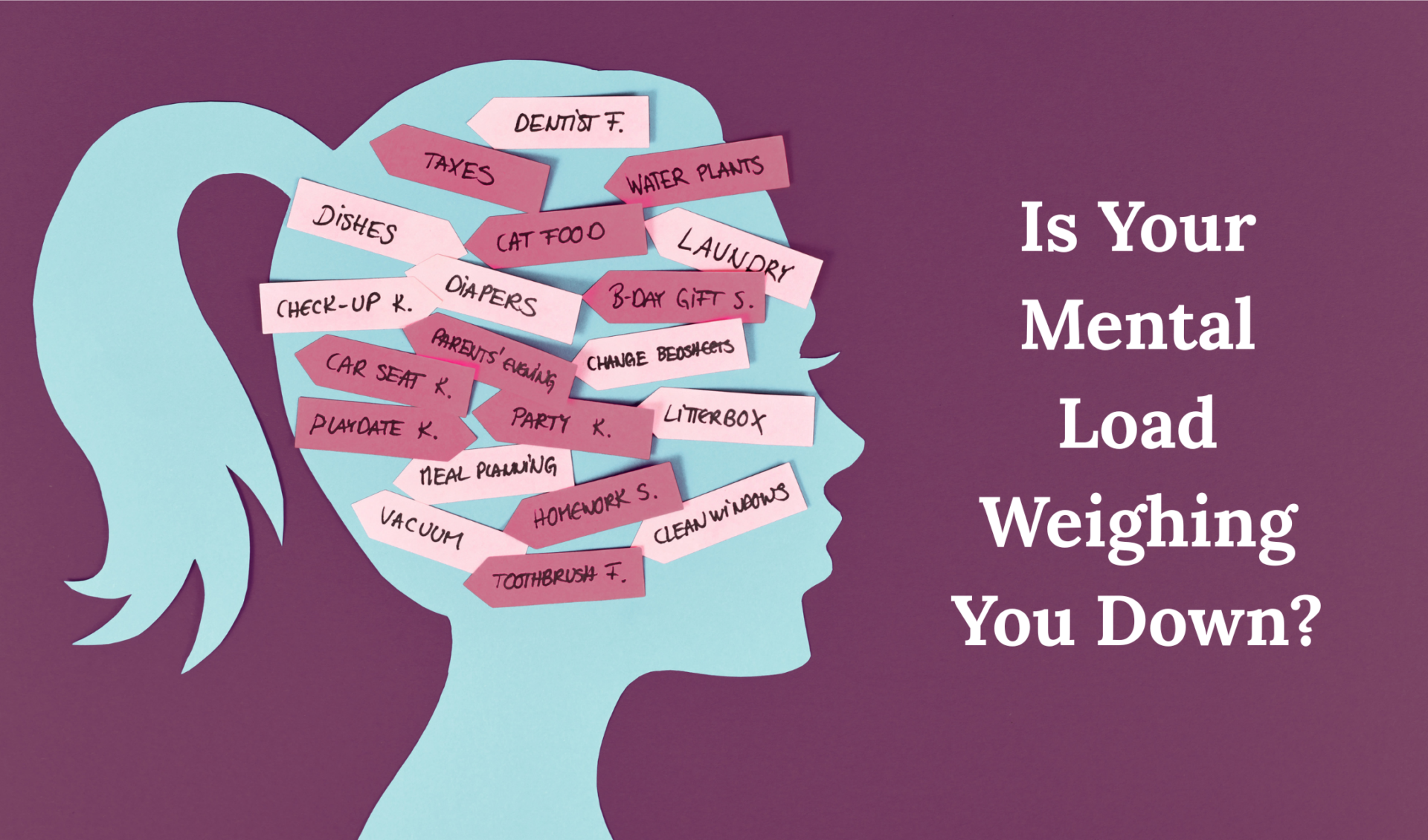
Have you ever reached the end of the day feeling completely drained, only to wonder what you actually accomplished?
Maybe you spent the day answering emails, coordinating appointments, remembering birthdays, managing your family’s schedule, worrying about your finances, checking on aging parents, planning meals, and mentally preparing for tomorrow.
You may not have lifted anything heavy, run a marathon, or worked a physically demanding job, yet you feel exhausted.
This is often the result of something many people experience but rarely talk about: the mental load.
What Is the Mental Load?
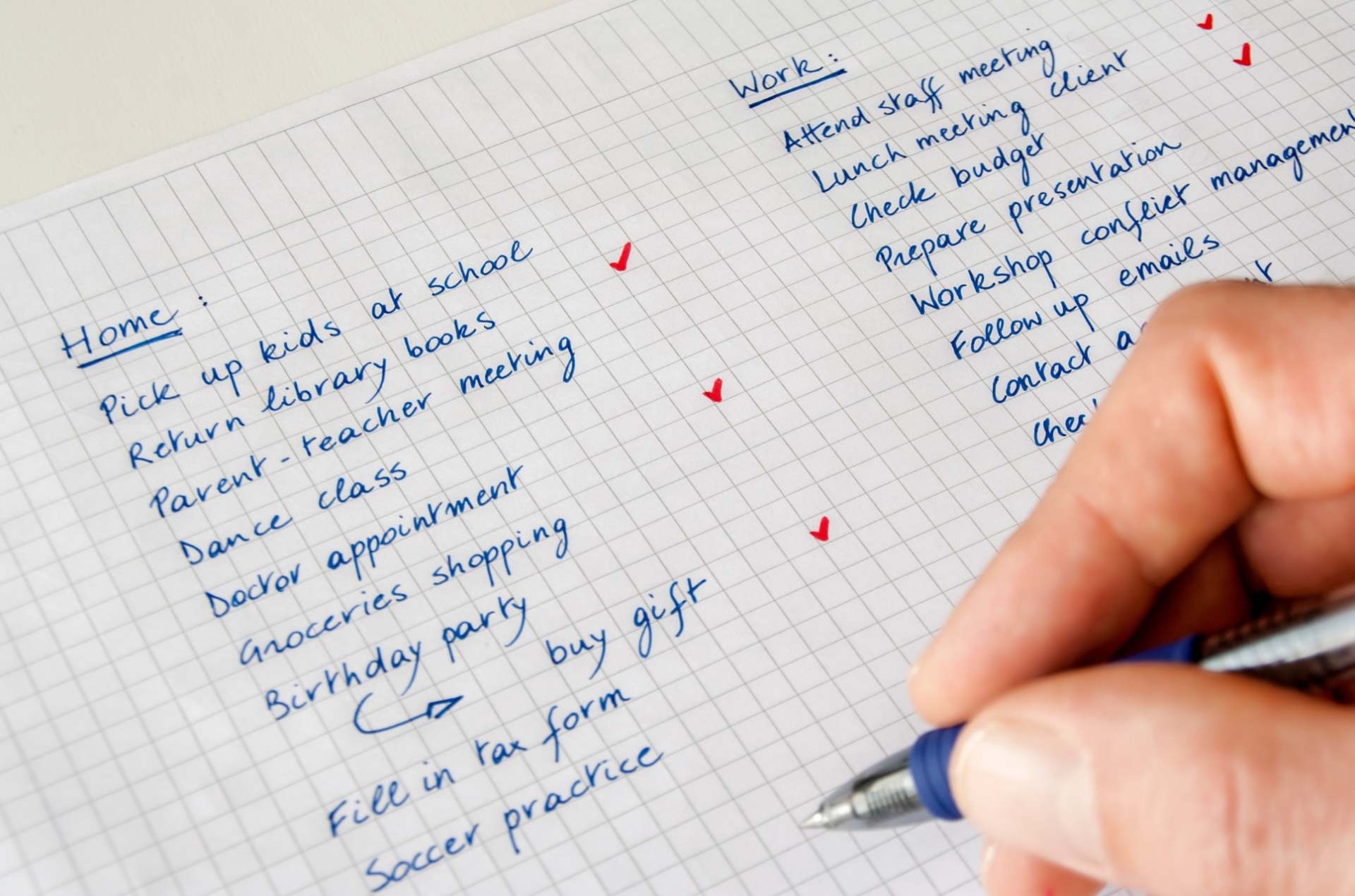
The mental load refers to the ongoing cognitive and emotional effort involved in managing daily life. It includes the invisible work of:
- Remembering appointments
- Planning meals
- Managing family schedules
- Anticipating future needs
- Keeping track of household responsibilities
- Coordinating childcare
- Managing finances
- Monitoring health concerns
- Making decisions for yourself and others
- Providing emotional support to loved ones
Unlike a simple to-do list, the mental load is often continuous. Even when you’re relaxing, your mind may still be planning, organizing, anticipating problems, and solving them before they occur.
Researchers often refer to this as cognitive labor or emotional labor, and studies have found that carrying high levels of mental responsibility is associated with increased stress, anxiety, emotional exhaustion, and burnout.
Why the Mental Load Feels So Heavy
Our brains are not designed to stay in a constant state of monitoring and problem-solving.
When we continuously track multiple responsibilities, our nervous system can begin operating as though there is always another problem to solve. Over time, this creates a state of chronic stress.
The challenge is that many of these responsibilities are invisible. Others may see that you’re functioning, showing up to work, caring for your family, and getting things done. What they often don’t see is the constant mental activity happening behind the scenes.
Many people describe feeling as though they can never fully “switch off.”
Signs You May Be Carrying Too Much Mental Load
A heavy mental load doesn’t always look like a breakdown.
In fact, many people continue functioning at a high level while quietly struggling.
Common signs include:
Mental Symptoms
- Mental Symptoms
- Difficulty concentrating
- Forgetfulness
- Racing thoughts
- Constant worry
- Trouble making decisions
- Feeling mentally exhausted
Emotional Symptoms
- Irritability
- Anxiety
- Feeling overwhelmed
- Emotional numbness
- Increased frustration
- Reduced patience
Physical Symptoms
Relationship Symptoms
- Fatigue
- Muscle tension
- Headaches
- Poor sleep
- Digestive issues
- Increased susceptibility to illness
- Feeling disconnected from loved ones
- Resentment toward others
- Difficulty asking for help
- Feeling unsupported or misunderstood
The Link Between Mental Load, Anxiety, and Burnout
Mental load and burnout often go hand in hand.
Burnout occurs when the demands placed on us consistently exceed the resources available to cope with them. While burnout is commonly associated with work, it can also develop from caregiving responsibilities, parenting, relationship stress, health concerns, or simply managing too many competing demands for too long.
Research suggests that chronic cognitive and emotional demands contribute to elevated stress hormones, reduced emotional resilience, and increased risk for anxiety and depression.
The more overloaded our brains become, the harder it is to recover.
Why “Just Be More Organized” Isn’t the Answer
Many people assume they simply need better time management.
While organization can help, the problem is often much deeper.
The mental load is not just about tasks. It is about responsibility.
You can share chores with someone else while still being the person responsible for remembering, planning, delegating, and following up.
True relief often comes from reducing responsibility, not simply increasing efficiency.
How to Lighten the Mental Load
1. Choose Your Daily Priorities
Many people operate from an endless list of responsibilities.
Instead of trying to accomplish everything, identify the one to three most important tasks for the day.
Ask yourself:
“If only three things get done today, what would matter most?”
This simple practice can reduce feelings of overwhelm and create a greater sense of accomplishment.
2. Practice Saying “Not Right Now”
Boundaries are one of the most effective ways to reduce mental overload.
You do not have to say yes to every request, invitation, opportunity, or responsibility.
Try replacing automatic agreement with:
- “Let me think about that.”
- “I’m not able to commit to that right now.”
- “I need to check my schedule first.”
Creating space before responding helps protect your energy and prevents overcommitment.
3. Get It Out of Your Head
Our brains are excellent at generating ideas but poor at storing large amounts of information.
Try a daily “brain dump.”
Take five minutes and write down:
- Tasks
- Reminders
- Worries
- Ideas
- Upcoming commitments
Externalizing information reduces cognitive load and frees up mental energy.
4. Check In With Yourself
Many people push through exhaustion without noticing it.
Several times throughout the day, pause and ask:
- How am I feeling right now?
- What do I need?
- Am I running on autopilot?
- What would help me feel more supported?
Self-awareness often creates opportunities for adjustment before stress becomes overwhelming.
5. Ask for Help Earlier
Many people wait until they are overwhelmed before seeking support.
Instead, consider asking for help when you first notice the load becoming too heavy.
Support may include:
- Delegating responsibilities
- Sharing tasks with family members
- Accessing workplace accommodations
- Working with a counsellor
- Joining a support group
Support is not a sign of weakness. It is a protective factor against burnout.
6. Support Your Nervous System
A heavy mental load affects both the mind and body.
Evidence-based strategies that support nervous system regulation include:
- Regular movement
- Adequate sleep
- Mindfulness practices
- Time in nature
- Deep breathing exercises
- Meaningful social connection
- Limiting unnecessary multitasking
Small, consistent practices are often more effective than occasional large changes.
When It May Be Time to Seek Professional Support
If your mental load is contributing to persistent anxiety, burnout, irritability, sleep difficulties, relationship challenges, or feelings of overwhelm, speaking with a counsellor can help.
Counselling can provide a space to:
- Explore sources of stress
- Improve boundaries
- Reduce perfectionism
- Address people-pleasing tendencies
- Develop coping strategies
- Improve nervous system regulation
- Create healthier patterns of self-care
Many people are surprised to discover that what they thought was simply “being busy” was actually chronic stress that had been building for years.
Final Thoughts
The mental load is real, even when others cannot see it.
Constantly planning, remembering, organizing, anticipating, and emotionally managing life’s responsibilities takes energy. Over time, carrying too much can affect your mood, relationships, physical health, and overall quality of life.
The goal is not to eliminate responsibility. The goal is to create enough space for recovery, connection, and wellbeing.
You were never meant to carry everything alone.
Contact Us Today
Reflective Soul Therapy & Wellness
📞 Phone: 778-484-9388
📧 Email: Intake@ReflectiveSoulWellness.com
🌐 Website: https://reflectivesoulwellness.com
📅 Booking Site: https://reflectivesoulwellness.janeapp.com
Our team of experienced counsellors and a naturopathic doctor can help you better understand stress, anxiety, burnout, and the mental load you may be carrying so you can move toward a healthier, more balanced life.