
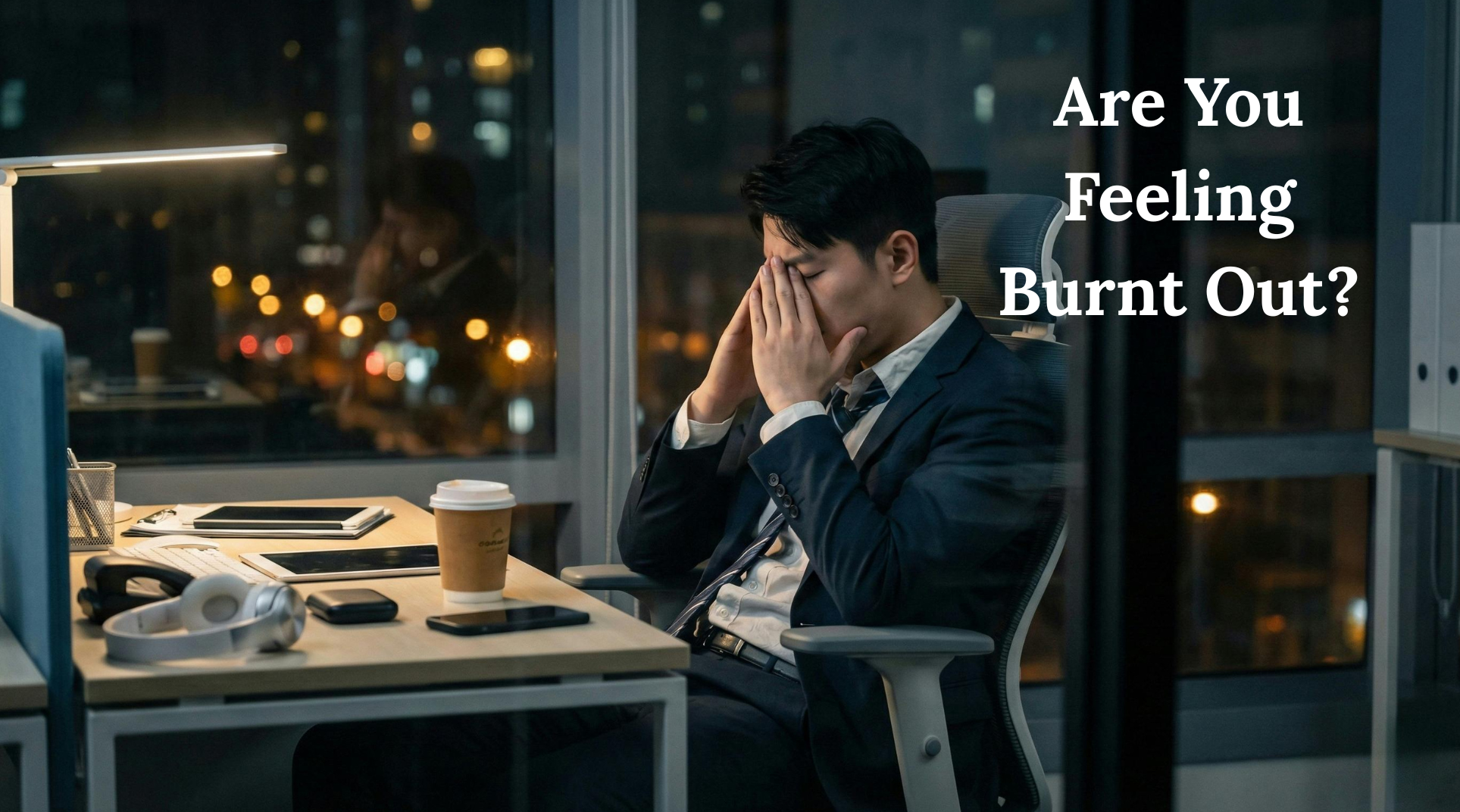
Burnout is defined as a state of physical and emotional exhaustion due to long term stress. We can usually recognize burnout by experiencing feelings of fatigue, cynicism and inefficacy. People are often afraid of burnout because they think it is going to be permanent or makes them feel like they have failed in some way. The truth is, burnout is very common and more a sign of overwork than failure. Also, burnout is temporary and treatable.
Why Do People Burnout?
There are many reasons an individual may experience burnout but the underlying theme of all these reasons is an imbalance between work input and reward. The value you receive from work needs to balance the effort you put in. Any situation where reward is lacking will likely result in burnout if sustained.
There are many hardworking people out there who don’t burnout but these people tend to be compensated well for the work that they do. This compensation is more than just monetary and relates to how fair a person feels they are being compensated as well as less tangible value a person might get for the work they do. Volunteers don’t get paid but the feeling of giving back and a sense of community may be providing them with adequate value. Sometimes the comradery or a sense of belonging, or appreciation can augment reward enough to avoid burnout.
Burnout is not restricted to the workplace. People experience burnout in parental and caregiver roles frequently. You can experience burnout in any aspect of your life. It doesn’t make someone a bad person to experience burnout in this capacity. It usually means someone is taking on more than their fair share of duties.
How to Prevent Burnout
Most talk about Burnout is centered around prevention. This is because burnout can cost a company a lot of money as workers end up on stress leave. If it affects the bottom line of large industry, it gets funded. Prevention talk also tends to put the focus on “self care” as this places all responsibility for burnout prevention on workers instead of employers but there are other pieces of this picture.
We Can Prevent Burnout By…
- Managing stress well and employing healthy coping strategies.
- I have a list of healthy coping strategies I discuss with my patients but a certified counsellor is often very successful here.
- Engaging in effective and consistent self care practices.
- These are going to be very specific for you. Which activities charge your batteries and give you a bit of lift?
- Finding a balance between workload and a sense of accomplishment.
- You have options, you can decrease your workload or you can enhance your sense of achievement. Sometimes this step requires the cooperation of others on your teams.
What Can You Do If You Become Burnt Out?
- Take Some Space
- Give yourself some space between you and your stressors. This could look like taking a few days off work, or hiring a caretaker for a few days to give you some time to recover.
- Refrain From Reactive Decision Making
- A burnout state is not associated with the clearest of thoughts so you may regret big decisions you make in this phase. You are also likely to feel differently about things when no longer in a burnout state so it is best to avoid making decisions with permanent outcomes (like quitting your job or making large impulsive purchases).
- Take Some Time To Evaluate Where The Problem Is
- It is easier to adjust your life to fit your needs when you clearly understand the problems you are facing. Consider what is causing you stress? What triggered your burnout this time and in the past? Are you overworked, or are you not receiving enough value for your work? What needs to change for your situation to be sustainable?
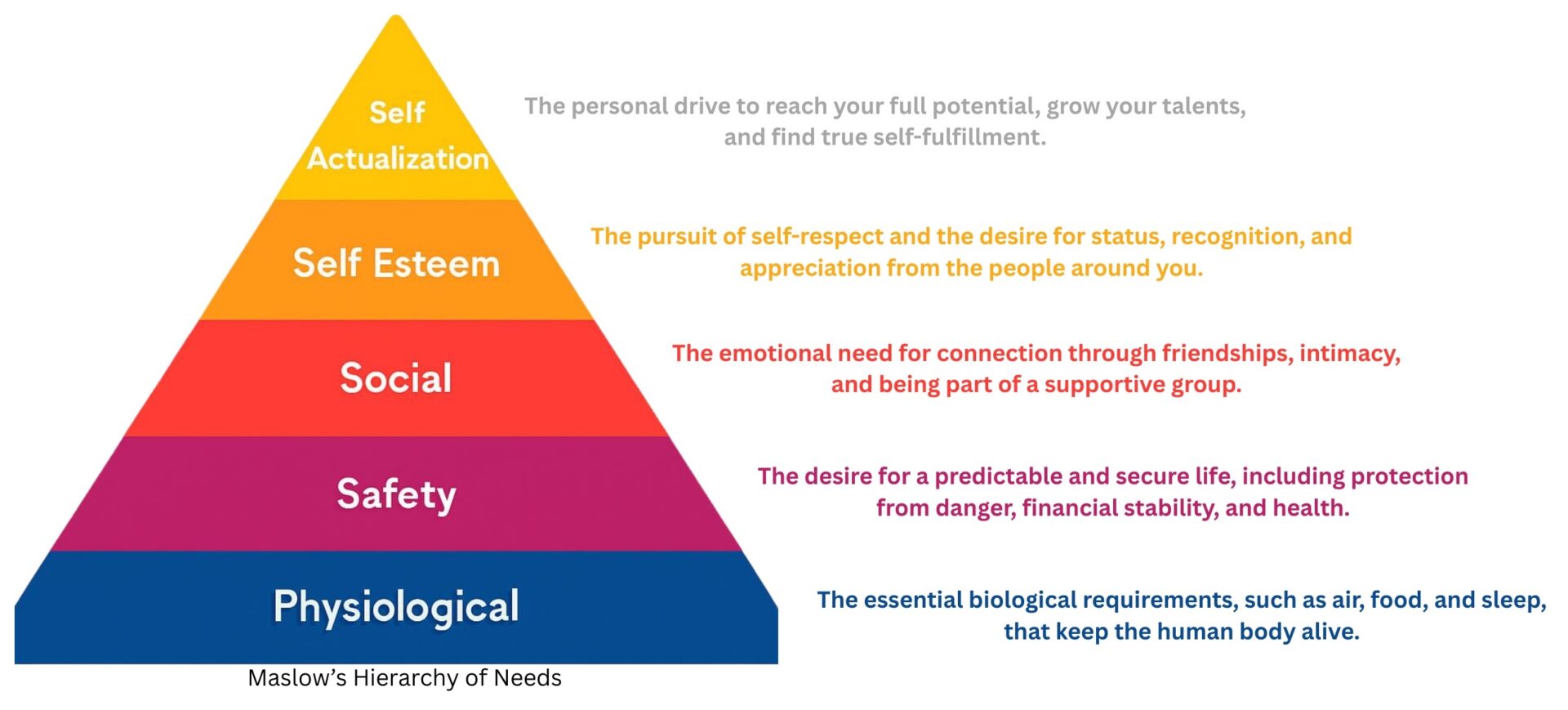
- Once you identify the issues you can come up with a plan to address them. Choose only a few things to work on at a time. If you don’t know where to start, focus on your core needs. Build a strong foundation before moving onto the higher concepts.
- Get Professional Help If Needed
- Burnout often occurs with digestive issues, anxiety, intensified pain, worsened migraines and sleep trouble, among other symptoms. If your burnout has caused you physical or emotional symptoms and you need help, seek out professional help from someone who understands burnout (like me, a counsellor, or other health professional). Navigating burnout is easier with a team. Everyone needs a team on their side.
Need Support?
If you have been feeling burned out, overwhelmed, or emotionally drained, and looking for additional support, our team would be happy to help you. We have a wonderful team of clinicians including a Naturopathic Doctor, Clinical Counsellors, Nutrition Coach and Personal Trainer that are ready to support you. Feel free to reach out to us.
Call: 778-484-9388
Book in today: https://reflectivesoulwellness.janeapp.com/
Check Out Our Other Applicable Blog Posts
Mastering Stress and Achieving Work-Life Balance: A Comprehensive Guide
Breaking The Perfect Timing Trap: Why You Don’t Need To Earn Your Worth
Navigating Stress & Worries During Times of Uncertainty
Building Habits That Shape Who You Want To Be
What Is Psychotherapy & How Can It Help You
The Power of Boundaries: Why They Matter For Your Mental Health