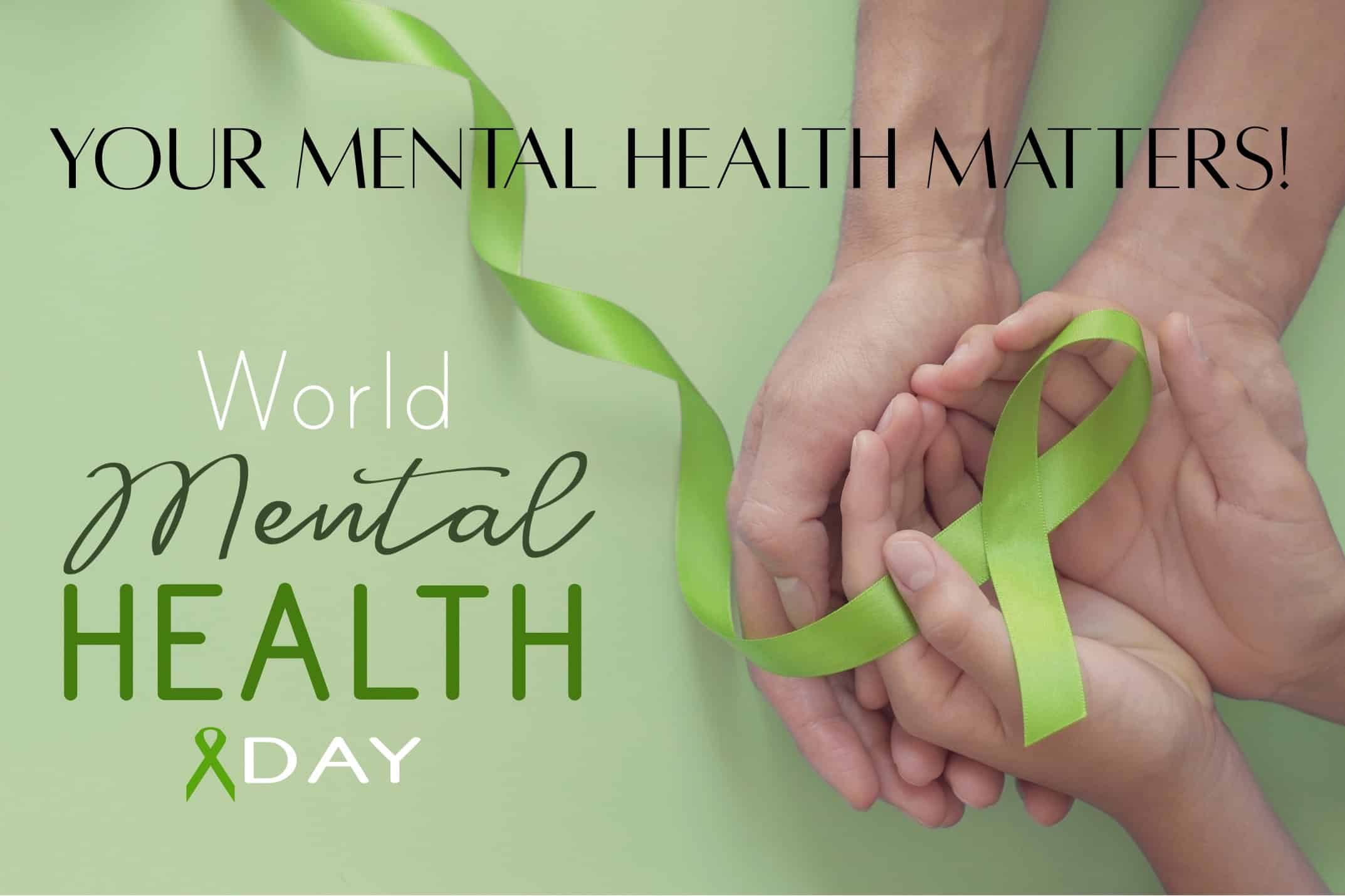

Every year on October 10th, the world comes together to recognize World Mental Health Day. This day is more than just a reminder—it’s a call to action. Good mental health is not simply the absence of illness; it is the foundation of how we think, feel, connect, and live. Without it, even the simplest daily tasks can feel overwhelming.
The World Health Organization (WHO) emphasizes that investing in mental health is just as important as investing in physical health. Yet, many people wait until they are struggling before giving their mental well-being attention. Think of it this way: you wouldn’t wait until you have a broken bone to strengthen your body—so why wait until you’re overwhelmed, anxious, or burned out to strengthen your mind?
Why Mental Health Matters
- It affects every part of life: Mental health influences our relationships, work, physical health, and even longevity.
- It’s linked to physical health: Research shows that untreated mental health concerns increase the risk of heart disease, diabetes, and weakened immune function.
- It improves resilience: People with strong mental health are better able to cope with stress and recover from setbacks.
- It builds confidence and connection: When we feel balanced, we’re more likely to reach out for support, form healthy relationships, and pursue meaningful goals.
How to Know if Your Mental Health is in a Good Space
It can be difficult to step back and honestly assess your mental health. Below is a brief self-reflection questionnaire you can use as a check-in tool. While this is not a diagnostic test, it can help highlight areas where you may need more support.
Quick Mental Health Check-In
Over the past two weeks, how often have you experienced the following?
(0 = Not at all, 1 = Several days, 2 = More than half the days, 3 = Nearly every day)
- I’ve felt little interest or pleasure in doing things.
- I’ve felt nervous, anxious, or on edge.
- I’ve had trouble falling asleep, staying asleep, or sleeping too much.
- I’ve felt tired or had little energy.
- I’ve noticed changes in my appetite (eating too much or too little).
- I’ve found it hard to concentrate.
- I’ve felt irritable or easily frustrated.
- I’ve avoided social situations or disconnected from others.
- I’ve had thoughts that I’m not good enough or that I’ve let people down.
- I’ve felt hopeless about the future.
Scoring Guide
- 0–5 points: You’re in a generally good space, but keep maintaining healthy habits.
- 6–15 points: You may be under some stress—consider boosting self-care and checking in with a counsellor.
- 16–25 points: Signs of moderate distress—seeking professional support would be beneficial.
- 26+ points: High distress—reach out to a mental health professional as soon as possible.
Ways to Invest in Your Mental Health

Here are practical, evidence-based strategies that can help strengthen your mental health every day:
1. Prioritize Sleep
- Aim for 7–9 hours of quality sleep.
- Create a bedtime routine that signals your brain it’s time to rest.
2. Move Your Body
- Exercise reduces symptoms of anxiety and depression.
- Even 20 minutes of walking daily can boost mood.
3. Practice Mindfulness
- Techniques like meditation, deep breathing, and grounding exercises calm the nervous system.
- Research shows mindfulness reduces rumination and stress.
4. Nurture Social Connections
- Strong relationships are a buffer against stress.
- Call a friend, schedule coffee, or join a group.
5. Eat Nourishing Foods
- Diets rich in whole foods, omega-3s, and vegetables support brain health.
- Limit processed sugars and alcohol, which can worsen mood.
6. Set Boundaries
- Protect your time and energy.
- Learn to say no without guilt.
7. Practice Self-Compassion
- Speak to yourself as you would to a close friend.
- Studies show self-compassion lowers shame and builds resilience.
8. Seek Professional Support
- Counselling and therapy are not only for crises; they help build emotional strength.
- Accelerated Resolution Therapy (ART), CBT, and mindfulness-based therapies have strong research backing.
9. Limit Screen Time
- Reduce doom-scrolling and exposure to negative news.
- Replace some screen time with creative activities or outdoor time.
10. Celebrate Small Wins
- Acknowledge daily achievements, no matter how small.
- This builds motivation and self-confidence.
Final Thoughts
World Mental Health Day is an invitation to pause and reflect. How is your mental health right now? Where could you invest a little more energy—whether that’s in sleep, social connection, movement, or professional support?
You don’t need to wait for a crisis to make your mental health a priority. Building habits now will help you live with more balance, resilience, and joy.
🌿 Reflective Soul Therapy & Wellness
At Reflective Soul Therapy & Wellness, we believe healing happens when your mind, body, and soul are supported together. Our caring team of counsellors, coaches, and wellness professionals walk alongside you with compassion, understanding, and evidence-based care. Whether you’re navigating stress, grief, relationship challenges, or the weight of trauma, you don’t have to go through it alone—we’re here to help you find balance, resilience, and hope.
Contact Us Today
📞 Phone: 250-300-6215
📧 Email: Intake@ReflectiveSoulWellness.com
🌐 Website: https://reflectivesoulwellness.com/
📅 Booking Site: https://reflectivesoulwellness.janeapp.com/