
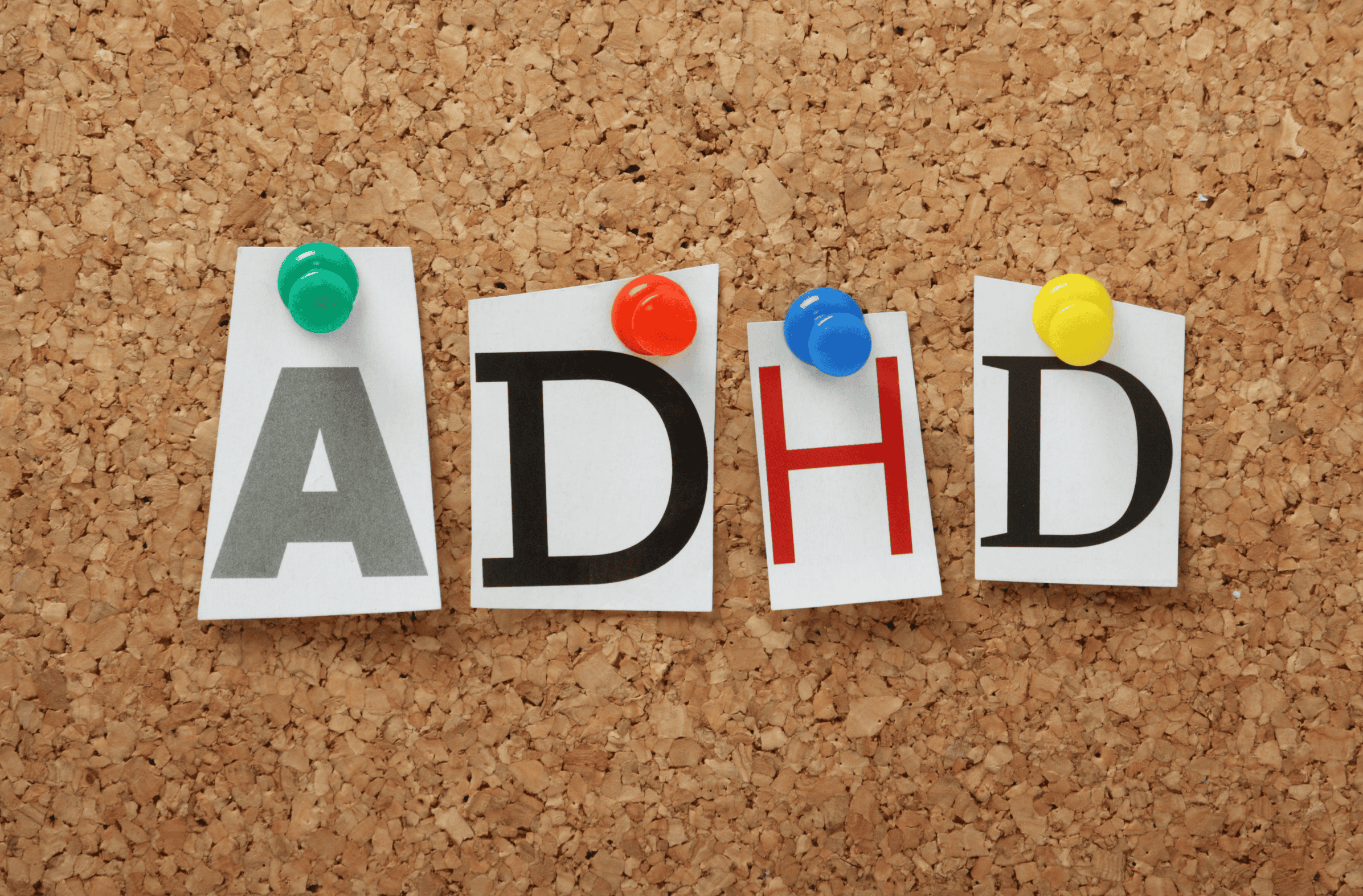

Many adults are surprised to learn that ADHD (Attention-Deficit/Hyperactivity Disorder) is not just a childhood condition. In fact, research shows that up to 60% of children with ADHD continue to experience symptoms into adulthood (Barkley, 2015). Some adults have an official diagnosis, while others go through life suspecting that they may have ADHD but never formally tested.
Living with ADHD can feel like your brain is “running in 10 directions at once.” But it can also mean creativity, energy, and the ability to think outside the box. Understanding how ADHD affects adult life—and learning practical ways to navigate it—can help you move from frustration to empowerment.
What ADHD Actually Is
ADHD is a neurodevelopmental condition that affects the brain’s executive functioning system—the mental “control centre” that manages attention, planning, working memory, and impulse control.
Scientists believe that ADHD involves differences in the brain’s dopamine and norepinephrine systems, which are chemicals that help regulate focus, reward, and motivation (Volkow et al., 2009). This means ADHD is not about a lack of effort—it’s about how the brain is wired.
What ADHD Looks Like in Adults
While ADHD in children is often associated with being “hyper” or “always on the go,” adult ADHD looks different. It often shows up in more subtle and internal ways.
Common Signs of Adult ADHD:
- Difficulty focusing: zoning out in conversations, missing key points in meetings, or struggling to read long texts.
- Restlessness: constantly multitasking, needing to fidget, or difficulty relaxing.
- Time blindness: underestimating how long tasks will take, running late, or procrastinating until the last minute.
- Impulsivity: interrupting others, impulsive shopping, or blurting things out before thinking.
- Emotional regulation challenges: quick frustration, intense emotions, or difficulty calming down.
- Forgetfulness and disorganization: lost keys, misplaced items, unpaid bills, or piles of unfinished projects.
These symptoms are not about being careless—they are part of how the ADHD brain processes information.
How ADHD Impacts Daily Life
On Self:
Adults with ADHD often describe feeling like they are “working harder than everyone else just to keep up.” This can lead to chronic stress, burnout, or low self-esteem. Many adults grew up being told they were “lazy” or “not living up to potential,” which can contribute to shame and negative self-beliefs.
On Family:
ADHD can affect how families function day to day. For example:
- A parent may forget to sign a child’s field trip form or miss an important event.
- Household chores may pile up, leading to tension with partners.
- Spontaneity and energy can also bring joy, playfulness, and flexibility into family life.
On Career:
Workplaces can be both challenging and rewarding for adults with ADHD. Struggles may include:
- Difficulty meeting deadlines.
- Trouble sitting through long meetings.
- Overwhelm with complex projects.
At the same time, ADHD adults often excel in fast-paced, creative, and entrepreneurial roles. Research shows they may thrive in environments with novelty and flexibility (White & Shah, 2016).
On Relationships:
ADHD can impact how partners communicate and connect. Forgetfulness or distraction may feel like a lack of care, even though that’s not the intention. Emotional intensity can create conflict, but it can also foster deep empathy and passion. With open communication, couples can learn to support one another.
Strategies for Navigating ADHD – With or Without a Diagnosis
Even if you don’t have a formal diagnosis, there are evidence-based strategies that can support ADHD brains:
- Create Routines and Rituals
ADHD brains thrive on structure. Set a consistent wake-up time, meal time, and bedtime. Routines reduce decision fatigue and free up mental energy. - Externalize Memory
Instead of relying on memory, use planners, digital calendars, sticky notes, or phone reminders. Visual cues—like keeping your gym bag by the door—help make follow-through easier. - Break Down Tasks
A big task like “clean the house” can feel overwhelming. Break it into smaller pieces: “pick up laundry,” “wipe counters,” “vacuum living room.” Research shows task chunking helps reduce procrastination (Tuckman, 1991). - Use the Power of Movement
Exercise has been shown to increase dopamine and norepinephrine in the brain, which can improve attention and mood (Halperin & Healey, 2011). Even a 10-minute walk can help reset focus. - Mindfulness and Breathing Practices
Studies show mindfulness training can improve attention and reduce stress in adults with ADHD (Zylowska et al., 2008). Start small—try 2 minutes of deep breathing before a meeting. - Prioritize Sleep and Nutrition
Lack of sleep and blood sugar crashes can make ADHD symptoms worse. Aim for 7–9 hours of sleep and balanced meals with protein, healthy fats, and complex carbs. - Seek Professional Support
Counselling, ADHD coaching, or a medical consultation can provide personalized strategies. Supportive therapy can also help address the emotional side of ADHD, like shame, anxiety, or relationship stress.
Closing Thoughts
ADHD is not a flaw—it’s a different way of experiencing the world. Whether you have a diagnosis or simply suspect ADHD, self-awareness and practical strategies can make daily life easier and more fulfilling. Remember: ADHD brains are creative, passionate, and resilient. With the right support, you can build systems that allow you to thrive.

Reflective Soul Therapy & Wellness
If you’re navigating ADHD and want to explore strategies tailored to your unique needs, our team is here to support you.
📞 Contact Us Today
Phone: 778-484-9388
📧 Email: Intake@ReflectiveSoulWellness.com
🌐 Website: https://reflectivesoulwellness.com/
📅 Booking Site: https://reflectivesoulwellness.janeapp.com